What Paragon Fire Protection Actually Covers
Sprinklers, alarms, extinguishers, backflows, and 24/7 emergency response for DFW commercial properties. One vendor for the whole stack.
By Paragon Fire Protection 3 min read
Updated
Paragon Fire Protection covers the full fire-protection stack for DFW commercial properties: one phone number for sprinklers, alarms, extinguishers, backflows, hydrants, and emergency response, instead of three vendors and four invoices that each point at the other when something fails an inspection.
What we handle
Each one is a line item most buildings source from a different contractor. We run them under one roster and one schedule:
- Fire sprinkler design, install, and repair — NFPA 13 from stamped drawings through fire-marshal acceptance. New construction, tenant finish-outs, and retrofits, with repairs to existing systems handled by the same crew that already knows the building.
- NFPA 25 inspections — annual, quarterly, and 5-year internal exams, with electronic reports filed to the AHJ. The cadence shifts with the kind of system you have; here’s what NFPA 25 requires and when.
- Fire alarm monitoring — installation, programming, and panel repairs, backed by 24/7 monitoring with our own in-house signal response.
- Fire extinguisher service — annual maintenance, internal exams, hydrostatic testing, and Class K kitchen coverage by TDI/SFMO-licensed FEL-B technicians. The NFPA 10 service intervals and which type belongs in each room catch most property managers off guard.
- Backflow and hydrant testing — annual backflow-preventer tests on the fire line plus private hydrant inspection, with compliance reports filed to the AHJ. The fire-line backflow is its own licensed test, separate from the sprinkler visit it often gets bundled with. A device that fails gets rebuilt and retested inside the AHJ’s grace window, before violation notices start.
- Preventative maintenance — programs sized to your property type so the next inspection isn’t a surprise and small deficiencies get caught before they turn into citations.
- 24-hour emergency service — active leaks, alarm faults, system failures, and post-incident restoration. A real technician picks up after hours, because a system out of service overnight can close a building.
Who we work with
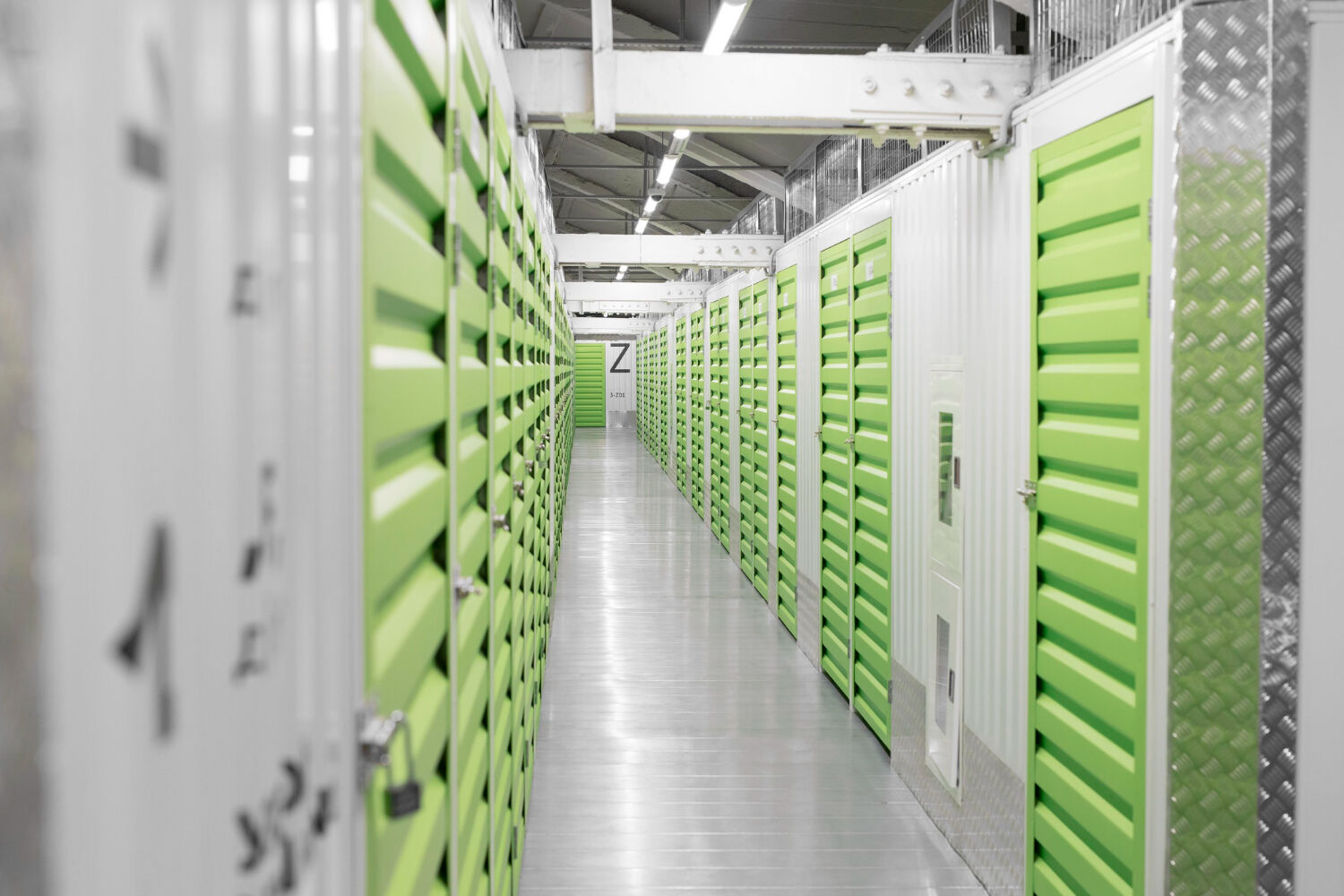
Multi-family communities, storage facilities, hotels, restaurants, care facilities, and commercial property managers across the Dallas–Fort Worth metroplex. A restaurant’s Class K and hood scope, a storage building’s dry-system freeze risk, and a care facility’s life-safety requirements are different problems, and we scope each to the standard the local AHJ actually enforces. We coordinate that work with the local fire marshal in every jurisdiction we serve, from Dallas and Fort Worth to Garland, Irving, and Carrollton. A few of those cities have raised the bar on documentation: Carrollton now requires sprinkler and alarm reports filed electronically, and we file the same day the work wraps.
The advantage of one vendor for the whole stack isn’t the single invoice. It’s that the crew inspecting your sprinklers already knows your alarm panel, your backflow, and the inspector who signs off. When a dry valve, a tamper switch, and an extinguisher tag all come due in the same quarter, one schedule covers them instead of three trucks on three separate weeks.
Talk to an Expert
Call (469) 474-5190 anytime for emergencies.
More Posts
Read next
-
Commercial Fire Pumps: What NFPA 20 and NFPA 25 Require
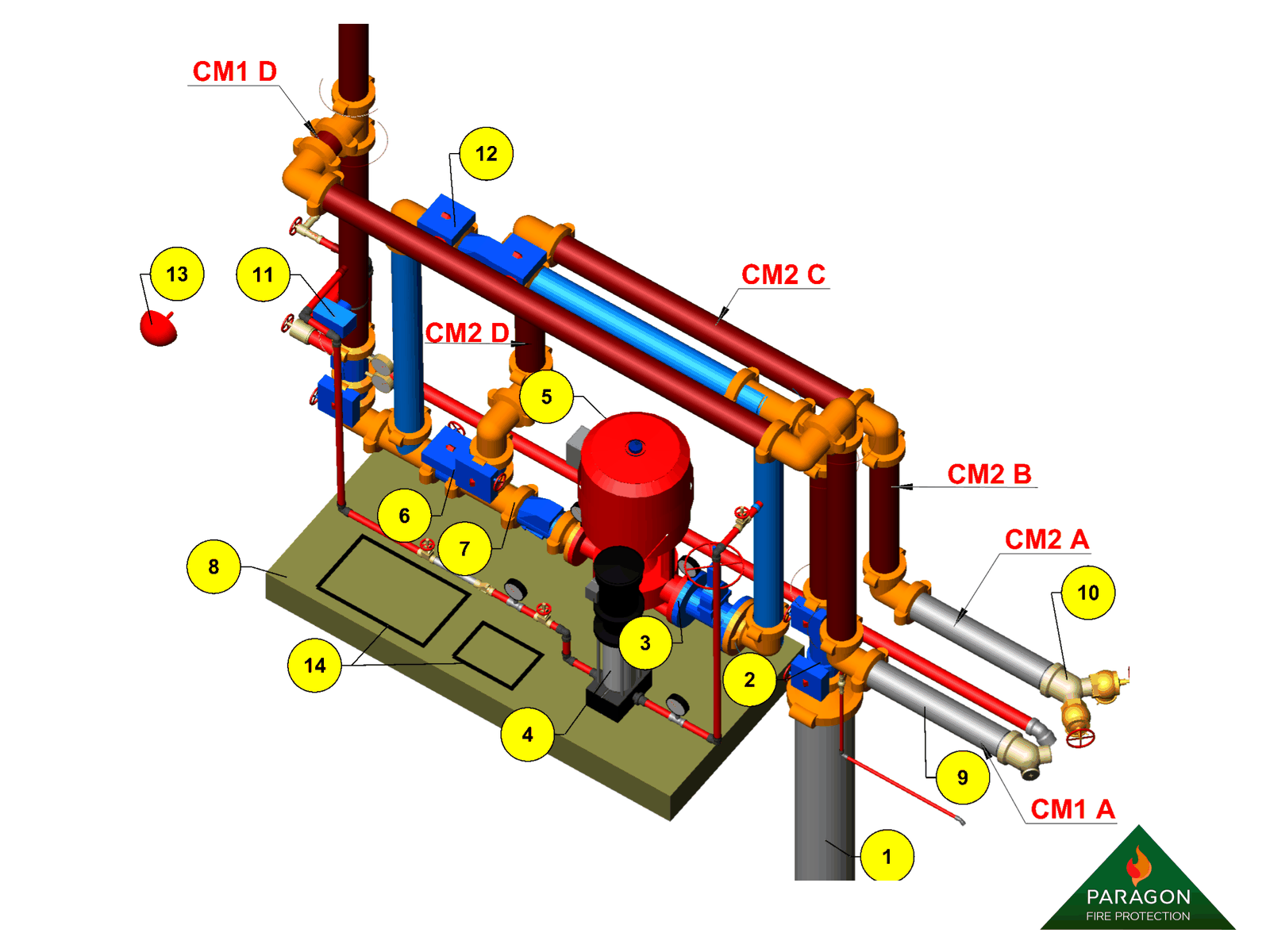
When a commercial building needs a fire pump, how a skid-mounted install works under NFPA 20, and the NFPA 25 test schedule fire marshals enforce.
-
Fire Sprinkler Inspection: What NFPA 25 Requires and When
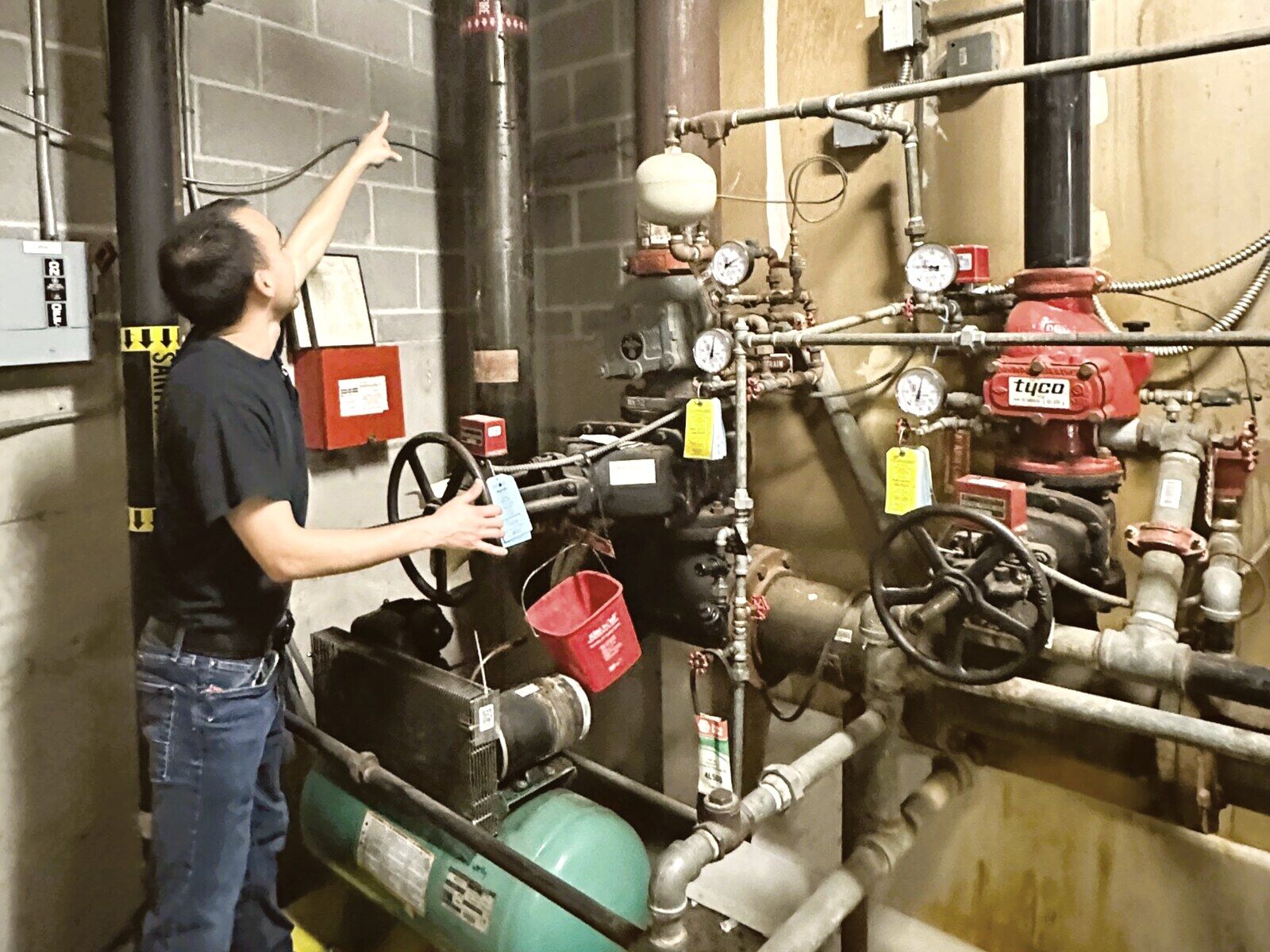
Wet, dry, and preaction systems explained, plus the weekly-to-5-year NFPA 25 inspection and testing schedule DFW fire marshals actually check.